

News
News
The colourful side of cultural heritage – A conversation with David Kremer
For almost five decades, Kremer Pigments has been bringing forgotten colours back to light. In this interview, managing director David Kremer talks about family tradition, political and economic challenges, international competition – and what it means to produce paint again as it was intended centuries ago.
Mr. Kremer, Kremer Pigments has been an integral part of denkmal since 1994. How has your trade fair presence changed over the years?
Our product range has steadily expanded – and so has our presence at the trade fair. Our booth has grown over the years, though not indefinitely. We are and will remain a medium-sized family business. This growth reflects both the development of the company and the importance that denkmal has for us. Our presence at the trade fair has always been worthwhile for us, both professionally and economically.
What does it mean for Kremer Pigments to restore historical colours?
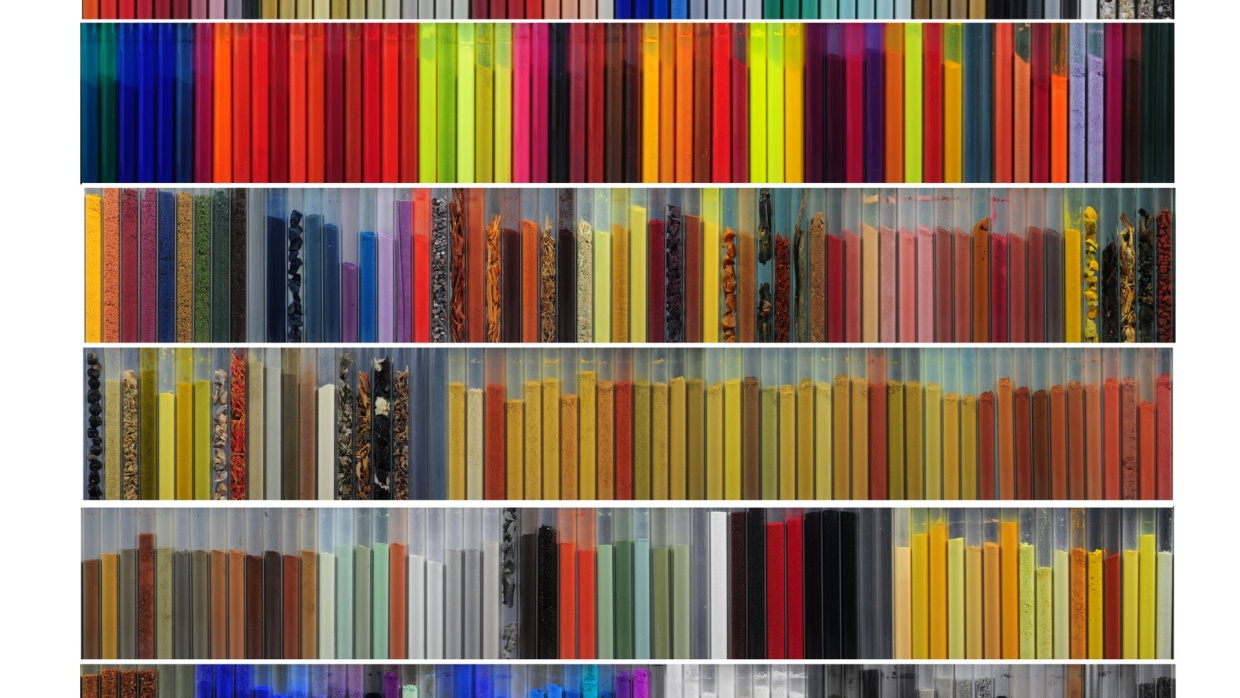
It means bringing centuries-old craftsmanship back to life. Unlike standard industrial pigments, natural minerals vary depending on their origin and develop a special luminosity in the light. Our work restores this diversity and intensity – colours that look as they were originally intended and respect the historical substance.
What challenges have had a particular impact on you in recent decades?
There have always been political phases in which the preservation of cultural heritage was promoted more strongly – and others in which this was less the case. As a small business, you have to continuously adapt to these conditions. When public funding declines, orders also decline. This makes it all the more important for us to reach private clients through trade fairs such as denkmal.
In addition, there have been more and more regulations in recent years: raw materials are being restricted or re-regulated and recipes have to be adapted. At the same time, we have to inform our customers so that historical buildings and works of art can continue to be preserved professionally. It is a constant act of balance between tradition, science and regulation.
What role does family tradition play at Kremer Pigments?
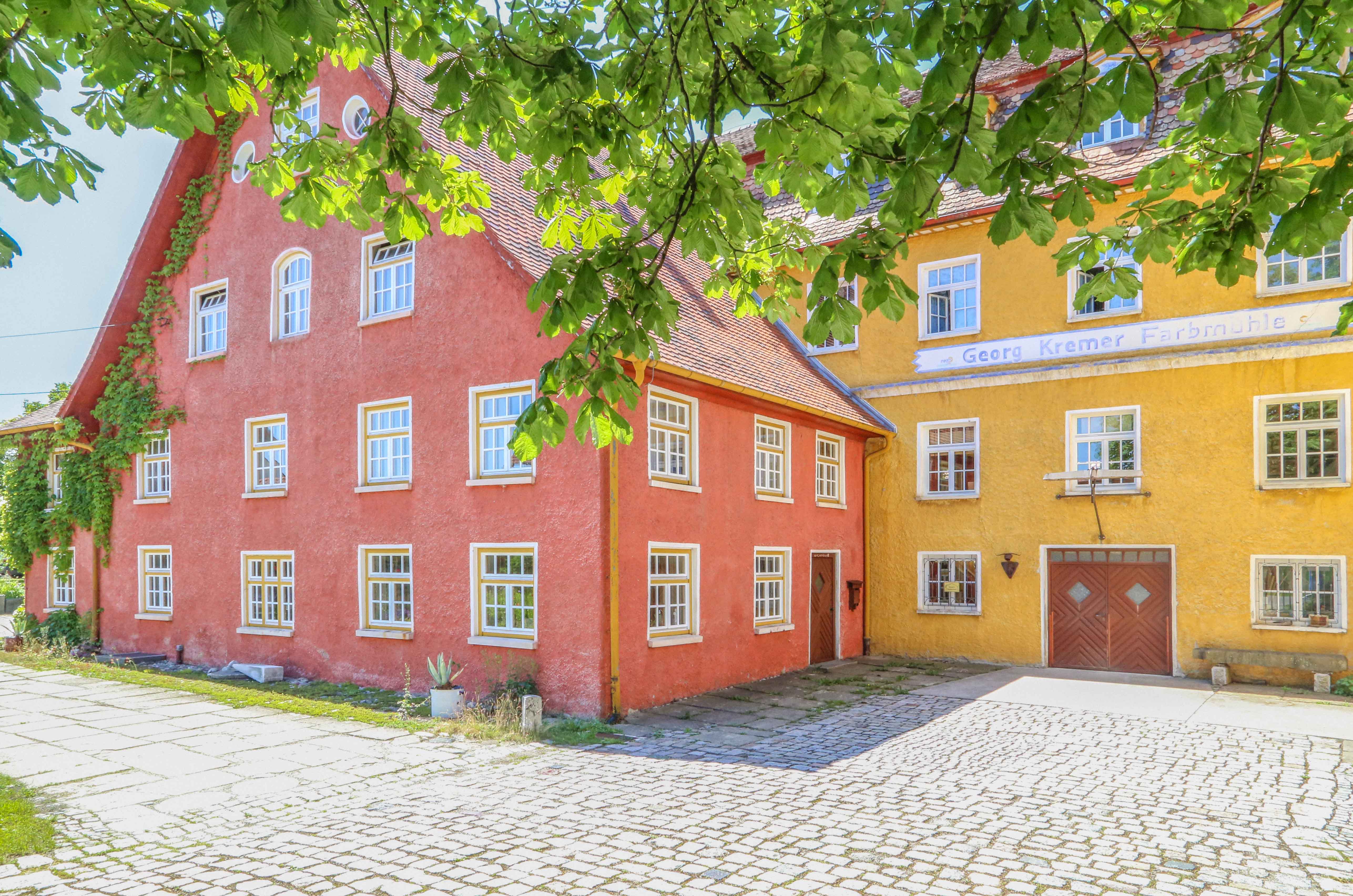
A very big one. My father founded the company in 1977 rather by chance, because a certain historical raw material, smalte, was no longer available on the market. As having a PhD in chemistry, he reconstructed the recipe. Step by step, a company, entirely dedicated to colour, history as well as craftsmanship, arose from this.
Today, we offer several thousand products for highly specialised applications, employ around 40 people at our site and supply customers worldwide. I grew up with the company, developed a fascination for historical pigments at an early age and decided to join the management team in early 2020. It is the combination of chemistry, craftsmanship as well as cultural heritage that makes this work so special.
How badly is the current economic situation affecting you?
So far, we have come through this period relatively smoothly. Of course, we are monitoring political and economic developments very closely – especially with regard to the upcoming state elections. We hope that those political forces, that are committed to protecting cultural heritage, democracy and the rule of law, diversity and colourfulness, will be strengthened. This creates planning security and trust, including for investments in this sensitive area. Cultural trench warfare would damage our industry. That is why stability is an important factor here.
What other challenges do you see for the coming years?
We must remain internationally competitive – despite rising costs and competition from countries with low wages and material prices. Our counter-model is and remains quality: consistently high standards, skilled craftsmanship, and in-depth knowledge.
Another major issue is the shortage of skilled workers. The situation is serious; unemployment is virtually unknown in our industry. This makes it more and more important to get young people excited about this special field and to pass on knowledge – whether through training, internships or workshops.
Does denkmal also support you in this?
Partly, yes. We regularly receive requests for internships or professional exchanges. However, as we are based in southern Germany, recruiting young talent is not the primary goal of our trade fair presence. For us, the focus is on international professional exchange.
What are your hopes for the future of denkmal?
I would like to see even more international visitors and exhibitors – for example, from Italy or the Benelux countries – finding their way to Leipzig. There are hardly any specialised restoration and craft fairs left. This makes it all the more important to strengthen denkmal as a European meeting place.