

News
News
A monument restored – So what does the mayor do?
A Baroque castle, an early industrial spinning mill and a historic park being adapted to climate change: Wolkenburg brings together centuries of Saxon history in one remarkable setting. In this interview, Robert Volkmann, Mayor of Limbach-Oberfrohna, reflects on Count Detlev Carl von Einsiedel's legacy, the restoration of Wolkenburg Castle, and the dedication of the people helping to shape its future.
Mr Volkmann, on a scale from one to ten, how grateful are you to Count Detlev Carl von Einsiedel?
The fact that we are sitting here having this conversation today really leaves only one possible answer: ten. Without Count Detlev Carl von Einsiedel, Wolkenburg would probably have far fewer stories worth telling. His vision shaped this place in profound and lasting ways, and for that we can only be deeply grateful.
The Count's legacy includes Wolkenburg Castle and the early industrial spinning mill—Baroque splendour alongside industrial heritage. Together, they tell the story of the region. How do you keep that story alive today?
It is a legacy of which we are immensely proud, particularly given its significance to the region's industrial heritage. From Wolkenburg Castle, Count Detlev Carl von Einsiedel launched his entrepreneurial ventures, helped establish the textile industry, created employment and brought lasting prosperity to the area. Local residents know only too well what a remarkable gem they call home. At the same time, preserving this heritage and sharing its story beyond the village itself remains a considerable challenge.
The former counting house – the last surviving remnant of the Wolkenburg Wool Spinning Mill, one of the oldest factories in Central Europe – currently stands vacant, and its future use has yet to be decided. We are actively exploring new possibilities while, of course, recognising that securing funding will be crucial to any restoration project. Together with Professor Dr Ulrich Weferling of Leipzig University of Applied Sciences (HTWK Leipzig), we are developing a digital twin of the building to help guide the next stages of its conservation. What encourages me most is seeing young people become involved, bringing fresh ideas and helping us shape a future for the site. Today, a modern sports complex stands beside the former mill. It is only a first step, but it illustrates an important principle: heritage cannot simply be preserved – it must be lived with, valued and given a meaningful role in contemporary life.
The castle, meanwhile, has already found its long-term purpose and will continue to serve as a museum. The former paper mill, by contrast, lies within the Mulde floodplain and has deteriorated to such an extent that meaningful conservation is now scarcely possible. Today, it survives largely as an evocative industrial ruin. Each of these three sites represents a different stage in its journey, yet together they tell the story of the region, with the castle now serving as its principal ambassador.
And what do the people of Wolkenburg identify with most? Their industrial heritage, their Baroque legacy, or perhaps the unique combination of the two?
In the conversations I have with local residents, what stands out most is their admiration for Count Detlev Carl von Einsiedel and the many roles he fulfilled – not only as lord of the castle, but also as a Saxon Cabinet Minister and an accomplished entrepreneur.
Wolkenburg, however, is no longer the industrial village it once was. That leaves us with an important question: how do we reinvent ourselves for the future? We have yet to find a definitive answer. What we do know, however, is that we have tremendous untapped potential as a visitor destination. With the River Mulde, our excellent air quality and a rich cultural offering, we have all the ingredients to attract many more people to discover this remarkable corner of Saxony.
The Neo-Gothic library at Wolkenburg Castle is widely regarded as one of the architectural highlights of the region. Its restoration was completed in 2005. What significance does it hold for your town today—as a visitor attraction and as part of the wider heritage ensemble?
Back in 2005, I had only just joined the municipal administration, and becoming Deputy Mayor still seemed a long way off. Here, too, the key word is ensemble. Following German reunification, the castle was first brought back into use thanks to the remarkable commitment and initiative of local residents. After Wolkenburg-Kaufungen became part of Limbach-Oberfrohna, the town continued the restoration with dedicated heritage funding.
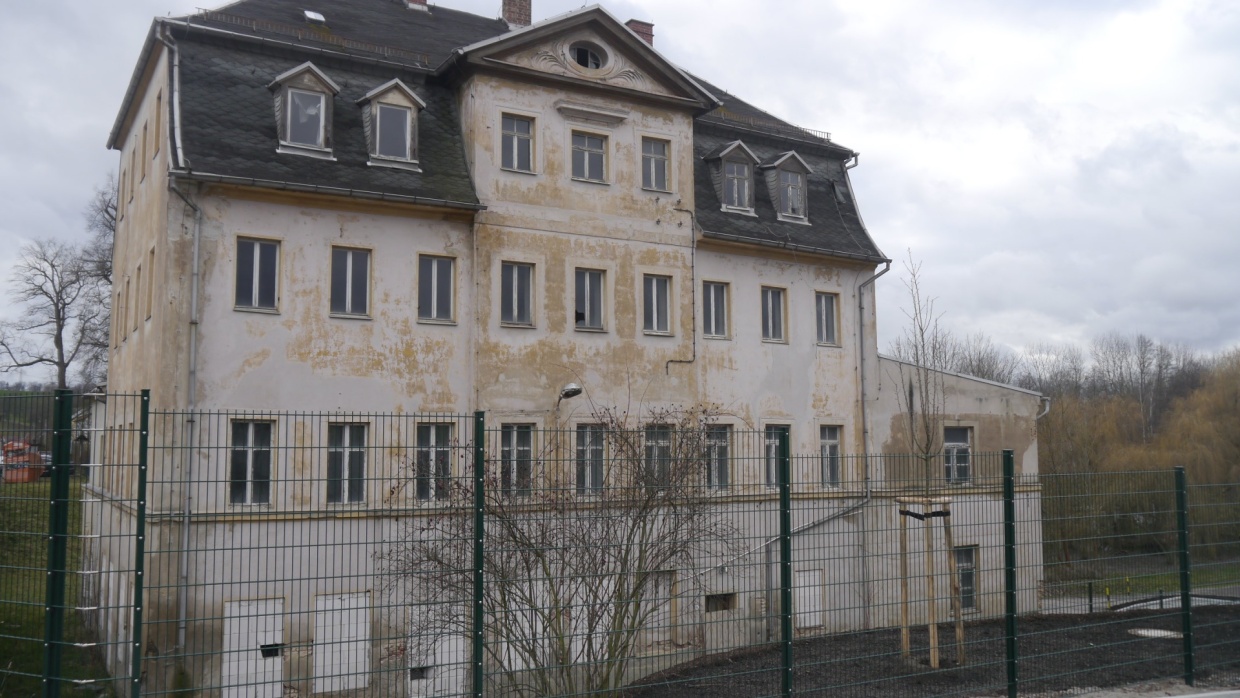
Seeking a New Use—the Former Office Building of the Sheep's Wool Spinning Mill, Photo credit: City of Limbach-Oberfrohna
The restoration of both the library and the grand ballroom allowed us to establish the castle as a sought-after wedding venue, which remains highly popular today. Gradually, we have raised the site's profile and welcomed an increasing number of visitors. For us, the library marked a real turning point. It symbolises the castle's transformation from a neglected estate into a vibrant centre for culture and heritage tourism. Its restoration proved that this historic place could once again become full of life.
Of course, it was equally important that the library once again housed books. We therefore invited local residents to donate historic volumes from their own collections, helping to restore not only the building but also its original spirit. During the restoration, a collection of historic cadastral maps was also discovered hidden within the library, adding yet another chapter to its remarkable story.
In many ways, the library gave us renewed confidence. It attracted more visitors to Wolkenburg and demonstrated that long-term commitment truly bears fruit. Today, the castle stands as a symbol of the village's revival – a renaissance made possible by the extraordinary dedication of countless volunteers.
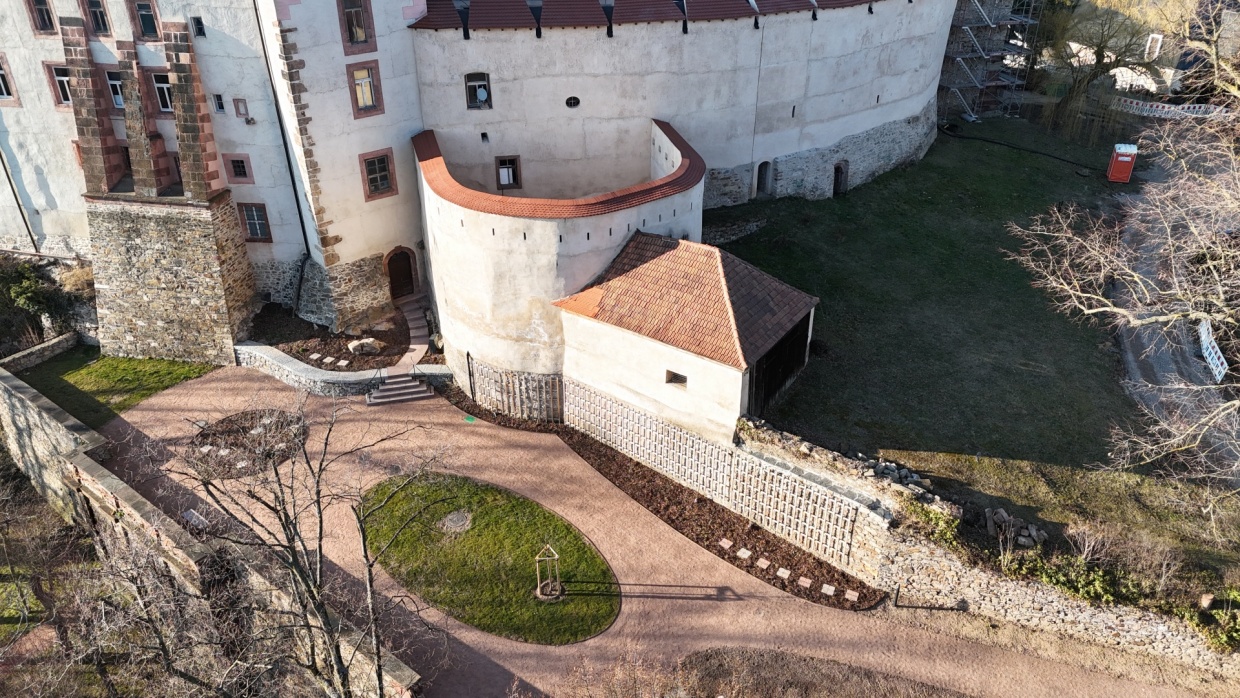
The castle park is currently being adapted to meet the challenges of climate change, supported through the Federal Programme for the “Adaptation of urban spaces to climate change”. What is happening on the ground at the moment?
Securing funding for the restoration of historic parks is exceptionally rare, so we were delighted to be successful after a highly competitive application process. The castle park sits on rocky ground, which means rainwater can only seep into the soil to a limited extent. To address this, several underground cisterns have been constructed. Water retention was one of the key reasons the project received funding.
Much of this work remains invisible to visitors because it takes place beneath the surface. The entire water management system has been redesigned, ageing pipework replaced and additional cisterns installed. These measures will allow us to irrigate the park even during prolonged periods of drought.
What lessons has this project taught you about how municipalities should respond to climate change?
Perhaps the greatest surprise for me was discovering that many of the questions we associate with climate change today had already occupied people's minds centuries ago—albeit in a very different context. How do we secure water supplies during drought? How do we prepare for times of crisis? Seeing the ingenuity of earlier generations gave me enormous respect for the solutions they found.
For me, the lesson is simple: every generation has faced its own challenges, and every generation has found ways to overcome them.
Above all, however, the project has reinforced the need to act. Without action, these landscapes will simply dry out. Whether through creating more green spaces, providing additional shade or investing in water retention, such measures not only help communities adapt to rising temperatures and prolonged dry spells, but also improve flood resilience and enhance the quality of our towns and villages.
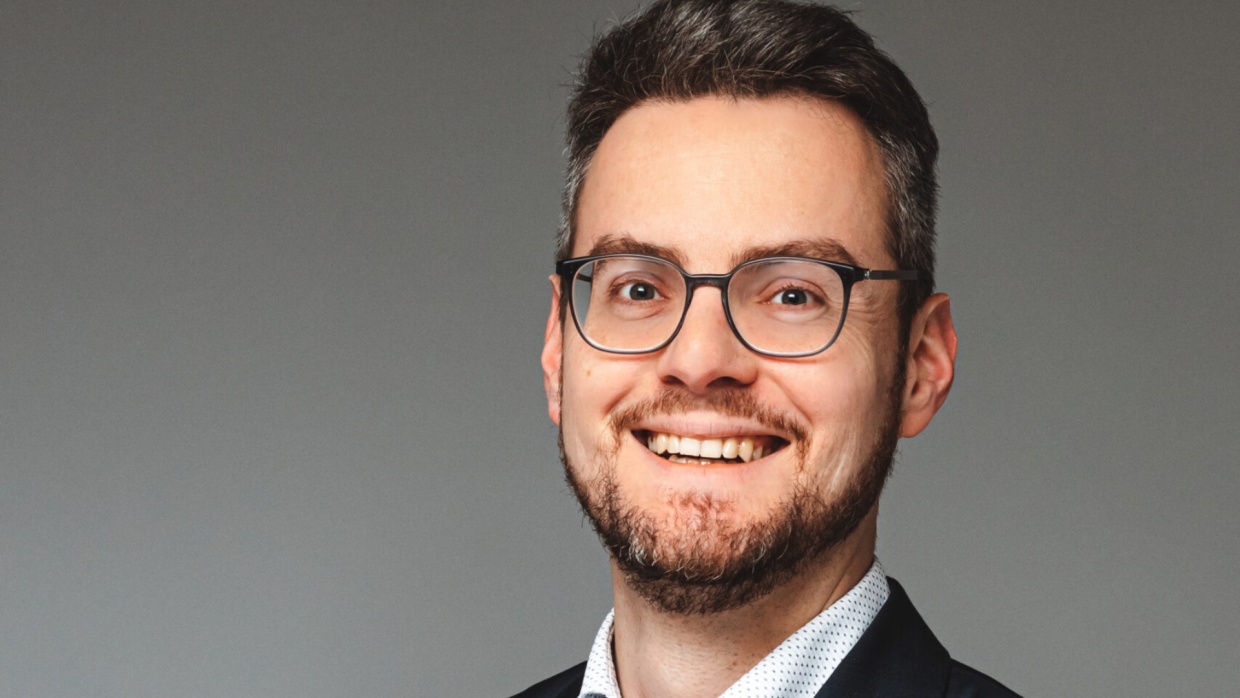
For a moment, he wasn't just happy—he was the happiest of all mayors worldwide—Robert Volkmann
Many people only ever see the beautifully restored building. But how much work goes on behind the scenes before a project like this can even begin—particularly when it comes to securing funding for a historic library or castle park?
An enormous amount—for my team, as well as for the planners, architects and contractors involved. The greatest challenge came when I realised just how quickly you can reach the limits of bureaucracy. The castle park project, for example, had to satisfy a complex web of sometimes competing requirements: climate adaptation, environmental protection, biodiversity, flood prevention and heritage conservation.
Coordinating all the relevant authorities often took longer than the funding period itself, which was tied to the federal budget approved by the German Bundestag. Before long, the funding deadline was approaching, even though construction had not yet begun.
Outwardly, I had to remain optimistic, reassuring everyone involved that we would find a way through. Privately, however, I was deeply concerned. What if we failed? What if the funding had to be repaid? How would I explain that to the town council?
In the end, the situation could only be resolved through political support. Together with our Lord Mayor, Gerd Härtig, I approached Carlos Kasper, then a Member of the German Bundestag, to help ensure that our project was heard at federal level. As one municipality among more than 11,000 across Germany, that was no easy task. At the same time, the municipal administration, planners, specialist authorities and the funding body worked intensively to agree on a realistic timetable.
When we finally received confirmation that the funding period would be extended—not by one year, but by two—I truly felt like the happiest mayor in the world. That decision saved the project. Looking back, the long journey to secure the future of the castle park taught me one lesson above all: humility.
Projects of this scale can hardly be delivered by a local authority alone. What role do local associations, volunteers, heritage professionals and residents play in preserving this remarkable heritage ensemble?
Their contribution is invaluable. We have a dedicated Friends of Wolkenburg Castle Association, the Wolkenburg-Kaufungen Heritage Society, and a wide network of committed local organisations. Together, they help preserve the village's identity while ensuring it continues to evolve for future generations.
For us as a local authority, it is a privilege to work alongside such dedicated residents. Quite simply, we could never achieve all of this on our own. At the same time, we work closely with the relevant state authorities and organisations such as Denkmalnetz Sachsen, which supports heritage conservation across Saxony. Private investment also plays a vital role. Thanks to the commitment of private owners and investors, parts of the castle estate—including the manor farm and, soon, the former prison building beneath the castle—have been or are being carefully restored. Without this shared commitment, preserving the historic ensemble in its entirety would simply not be possible.
Finally, looking ahead: is there anything currently taking shape in your town that you believe could itself become part of the region's cultural heritage in thirty or forty years' time?
Just a few weeks ago, the town was compelled to acquire the Turmpassage, one of the oldest—and certainly one of the most distinctive—former factory buildings in Limbach-Oberfrohna. If we succeed in breathing new life into it, perhaps people will look back in thirty or forty years and say that it was exactly the right decision. This landmark of our industrial heritage continues to shape the town centre today.
And if we broaden our focus from historic buildings to infrastructure, one project stands out above all others. I sincerely hope that the Chemnitz Model will restore a direct rail connection to Chemnitz during the 2030s. Like the heritage projects of today, it has the potential to shape our town's future for generations to come.