



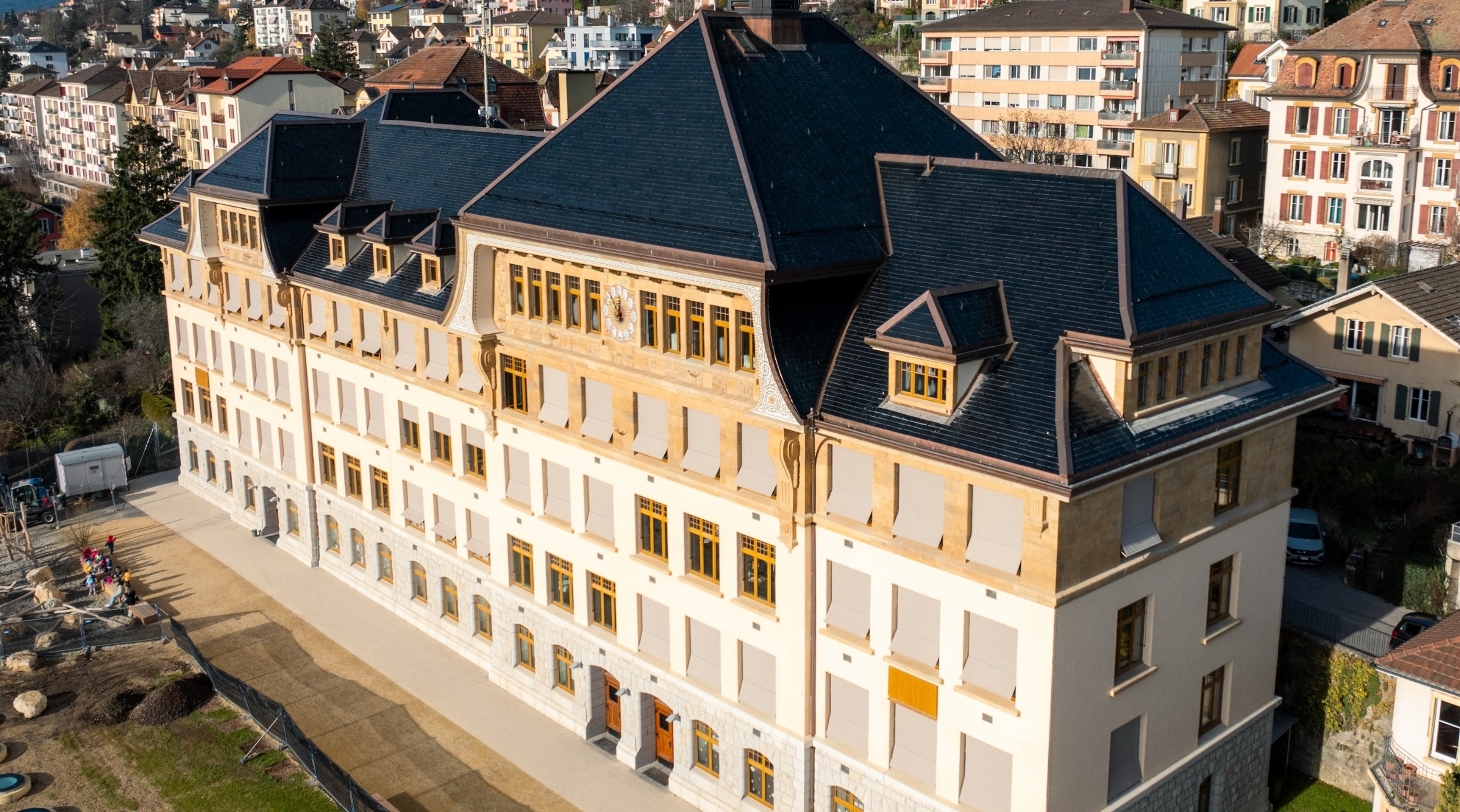
Solar Energy on Historic and Listed Buildings

2:00 PM - 3:00 PM Thu, 05 Nov

Short description

How can solar energy and heritage conservation be successfully combined? This presentation explores why building-integrated photovoltaics can provide an aesthetically sensitive solution for historic roofs. Three case studies from Switzerland demonstrate how modern solar technology can be harmoniously integrated into listed buildings.

Description

Despite legal differences, there is a growing effort in Germany to install solar systems on roofs across the country. The new Building Modernization Act (GModG) will reinforce this trend starting in 2027. This raises the question of how to handle historic buildings that are protected as part of a historic ensemble or as listed structures.

Although these buildings are exempt from the legal solar mandate, the use of solar energy makes ecological sense. In the case of ensemble protection, the exterior appearance must be preserved. Traditional, glossy rooftop solar panels are usually unsuitable because they do not match historic slate roofs. Building-integrated photovoltaic systems (BIPV) offer an alternative here. In the case of historic preservation, the focus is on preserving the original structure. However, during upcoming roof renovations, visually compatible, modern materials can be used.

Practical examples from the company Freesuns in Switzerland demonstrate that this aesthetic integration is successful:

• Breguet University (Neuchâtel, 1940): SOLARIS Heritage tiles with a slate-like appearance (1,128 m², 119 kWp).

• Collège des Parcs (Neuchâtel, 1914): SOLARIS Premium Black with a matte black finish (1,927 m², 192 kWp).

• Ferlens Community Hall (Vaud, 1823): SOLARIS VDiamond with a terracotta plain-tail finish (162 m², 15 kWp).

Speaker

Information about the program

Event Location

CCL, Lecture room 11, Level +2

Exhibitors