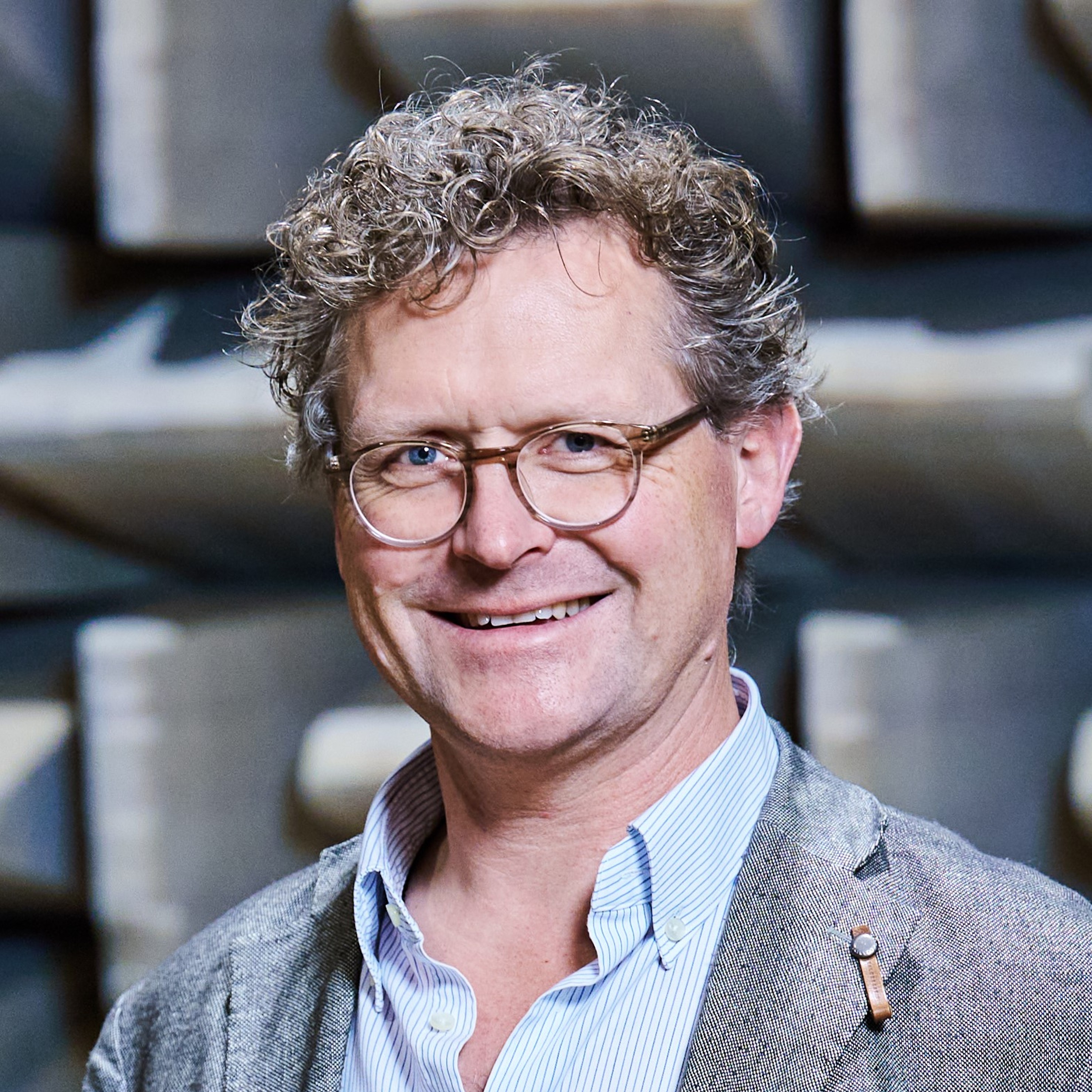



Dr.-Ing. Dipl.-Theol. Michael Plitzner

Vita

Professional experience: 2025 Head of Institute, European Centre of Excellence for Bells (ECC-ProBell) 2009 Managing Director, European Centre of Excellence for Bells (ECC-ProBell) Education: 2015 Doctorate (Dr.-Ing.), Foundry Engineering – TU Bergakademie Freiberg 2005 Diploma (Dipl.-Ing. (FH)), Mechanical Engineering – Kempten University of Applied Sciences 2001 Diploma (Dipl.-Theol.), Catholic Theology – University of Erfurt

Contact

Europäisches Kompetenzzentrum für Glocken ECC-ProBell

Head of Institute

Hochschule für angewandte Wissenschaften Kempten
Europäisches Kompetenzzentrum für Glocken ECC-ProBell
Bahnhofstr. 61
87435 Kempten

Program Items

2:00 PM - 3:00 PM THU 05. NOVEMBER
The bell – a musical instrument that is put under a great deal of strain

The ringing of bells causes mechanical stress and fatigue cracks, necessitating annual repairs, during which historical inscriptions are often lost. The main cause of cracks is material fatigue resulting from impacts and tensile stress. To extend the bells’ service life, these stresses must be reduced by optimising ringing conditions. The European Centre of Competence for Bells (ECC-ProBell) has been conducting research for over 20 years into preventing such damage and has developed methods for assessing fatigue risk, which enable the targeted optimisation of ringing conditions.

CCL, Lecture room 9, Level +2
2:00 PM - 3:00 PM FRI 06. NOVEMBER
The musical fingerprint of bells – a tool for digitising bells and for early detection of damage

When ringing, bells are subjected to high mechanical stresses which can lead to fatigue cracks. Traditional testing methods often detect damage too late, by which time the sound has already been affected. A new method, the ‘musical fingerprint’, uses audio recordings to identify cracks at an early stage by analysing natural frequencies and mode splitting. It detects casting defects and enables comprehensive documentation of the bells as cultural heritage objects, whilst detailed sound analysis data is stored for future inspections to identify changes in tone and their causes.

CCL, Lecture room 9, Level +2